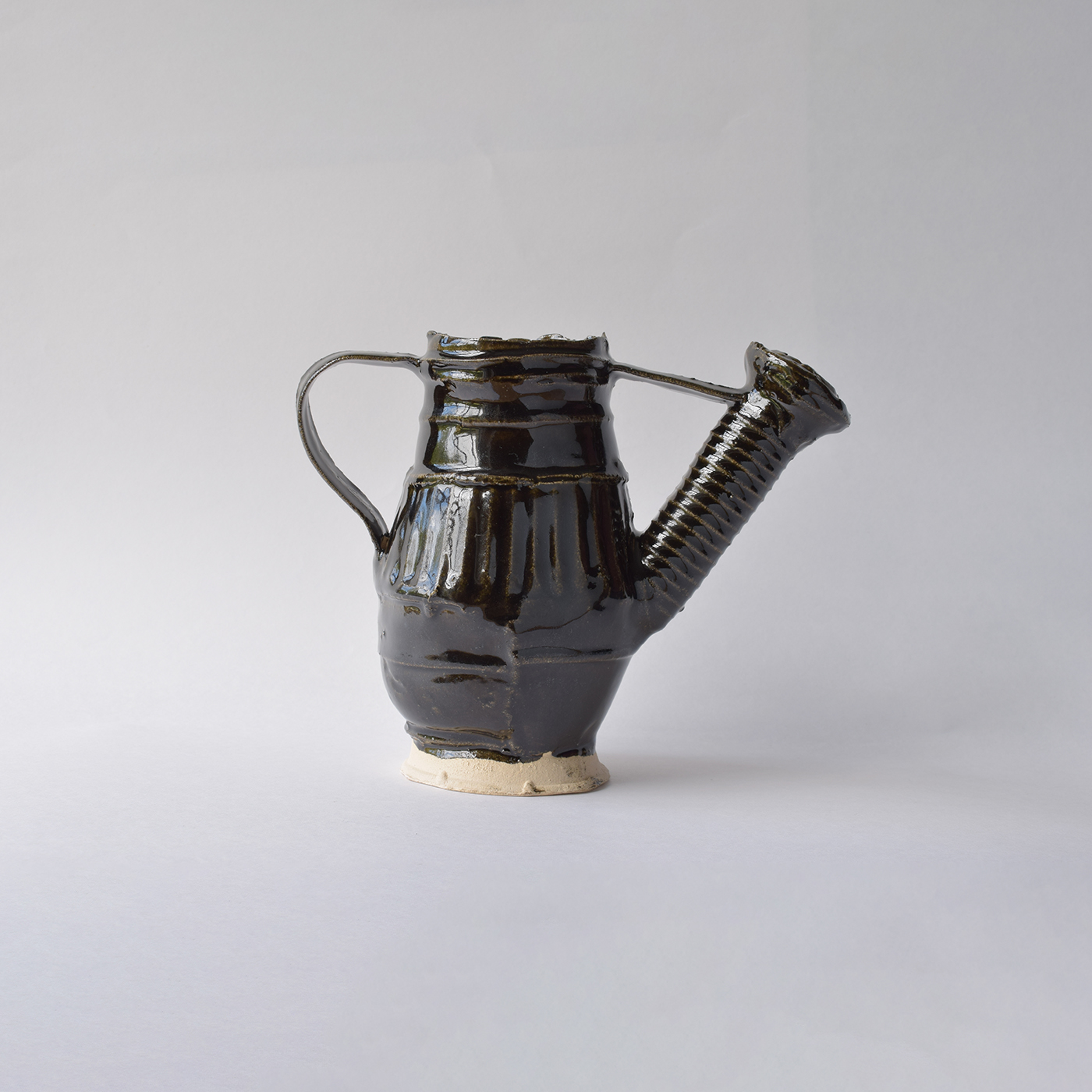
Philip Eglin’s watering cans are a recurring and recognisable element within his practice, drawing on the familiar language of everyday objects. Borrowed from the world of gardening and industry, the form is immediately legible, yet here it is reimagined through clay, shifting from functional tool to sculptural presence. Eglin’s own extensive collection of galvanised watering cans inform his ideas for shapes and forms.
Eglin has long explored the potential of ordinary vessels such as buckets, jugs and watering cans, deliberately favouring these humble forms over the more neutral idea of the “vessel”. In doing so, he brings attention to objects that are often overlooked, allowing their shapes to carry new weight and significance.
Rooted in the traditions of British pottery, particularly the industrial heritage of Staffordshire, these works maintain a strong connection to making and material. At the same time, they sit firmly within a contemporary context, where function is displaced and the object becomes a site for reflection, transformation, and visual play. The watering can is both familiar and estranged. Its proportions, surface and presence invite close looking, revealing subtle shifts that move it beyond utility. In Eglin’s hands, the everyday becomes a vehicle for exploring how objects operate within culture, balancing humour, reverence, and a quietly subversive edge.
Philip Eglin’s work is held in numerous public collections in the UK and internationally.
About Philip Eglin
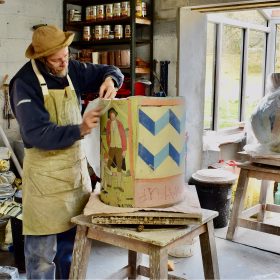
Philip Eglin (b.1959, Gibraltar) studied at Staffordshire Polytechnic and the Royal College of Art, London. He was awarded the prestigious Jerwood Prize for Applied Arts in 1996, and The Scottish Gallery has exhibited his work regularly since the 1980s.
Related Items
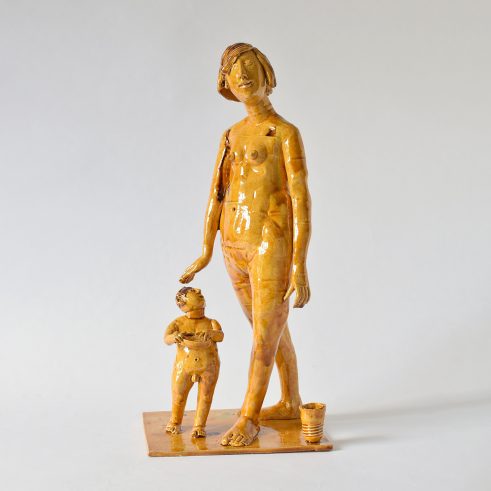
Venus et Amour, 2024
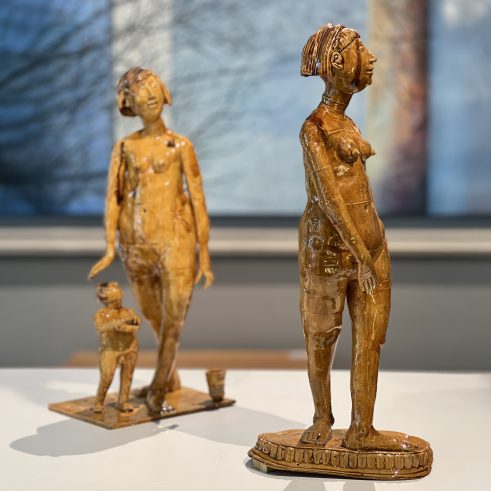
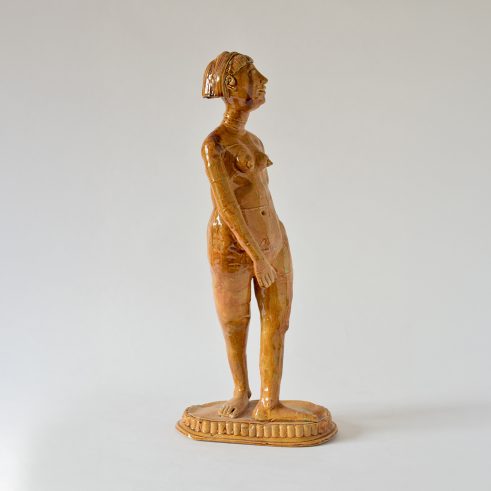
Venus et Amour and Standing Nude, 2024