The Mystery of Joan Eardley's Study of a Man Solved
One of the pleasures of dealing in historic works of art is that paintings can still reveal new stories many decades after they were created. Such is the case with Joan Eardley’s Study of a Man, an early portrait whose sitter has remained unidentified until now.
The breakthrough came when an Ayrshire collector contacted The Gallery about a portrait in his own collection depicting what appeared to be the same man. Following further research and discussions with the Eardley and Thomson family, it has now been confirmed that the sitter is the Glasgow artist Robert Sinclair Thomson (1915–1982).
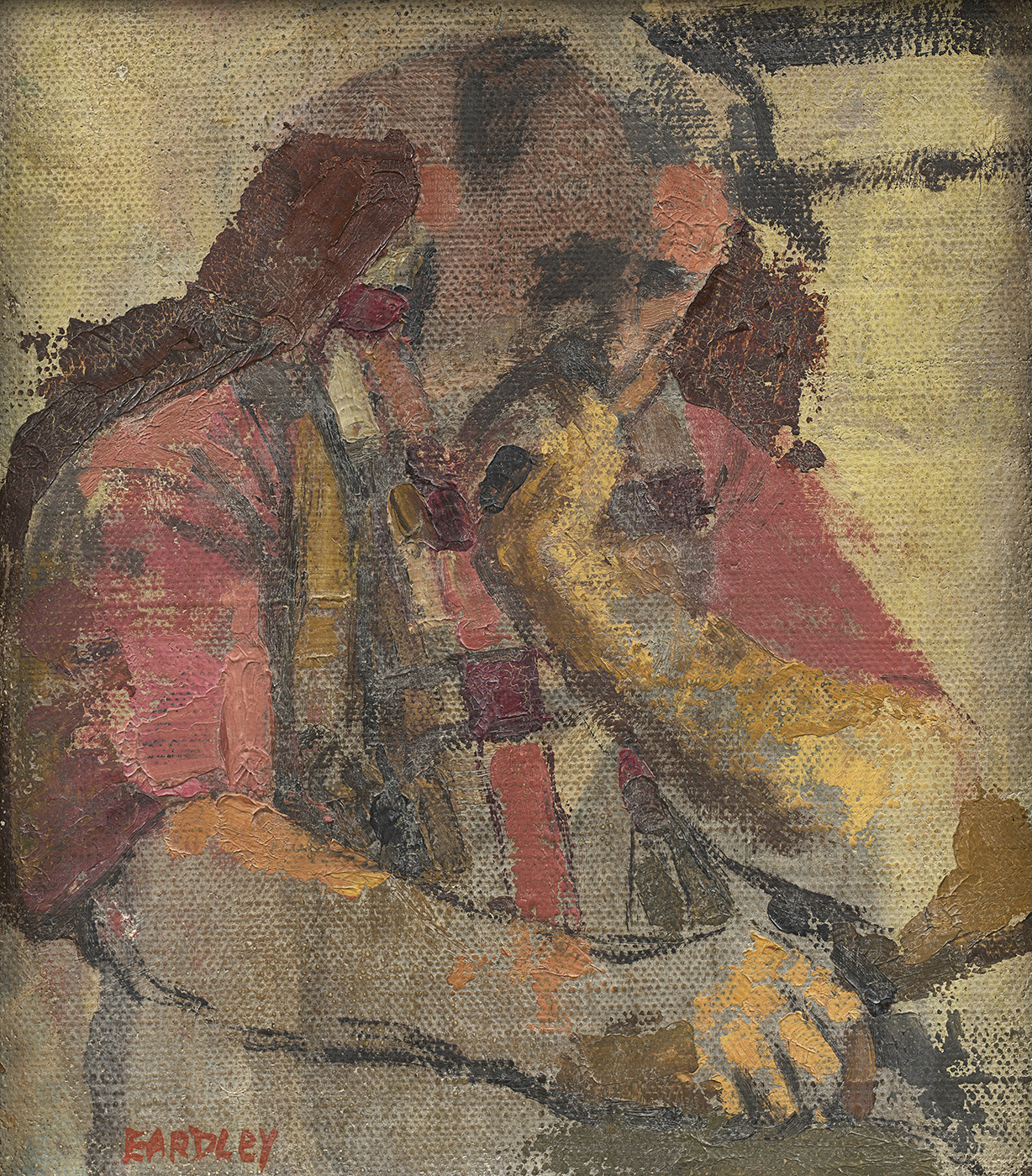
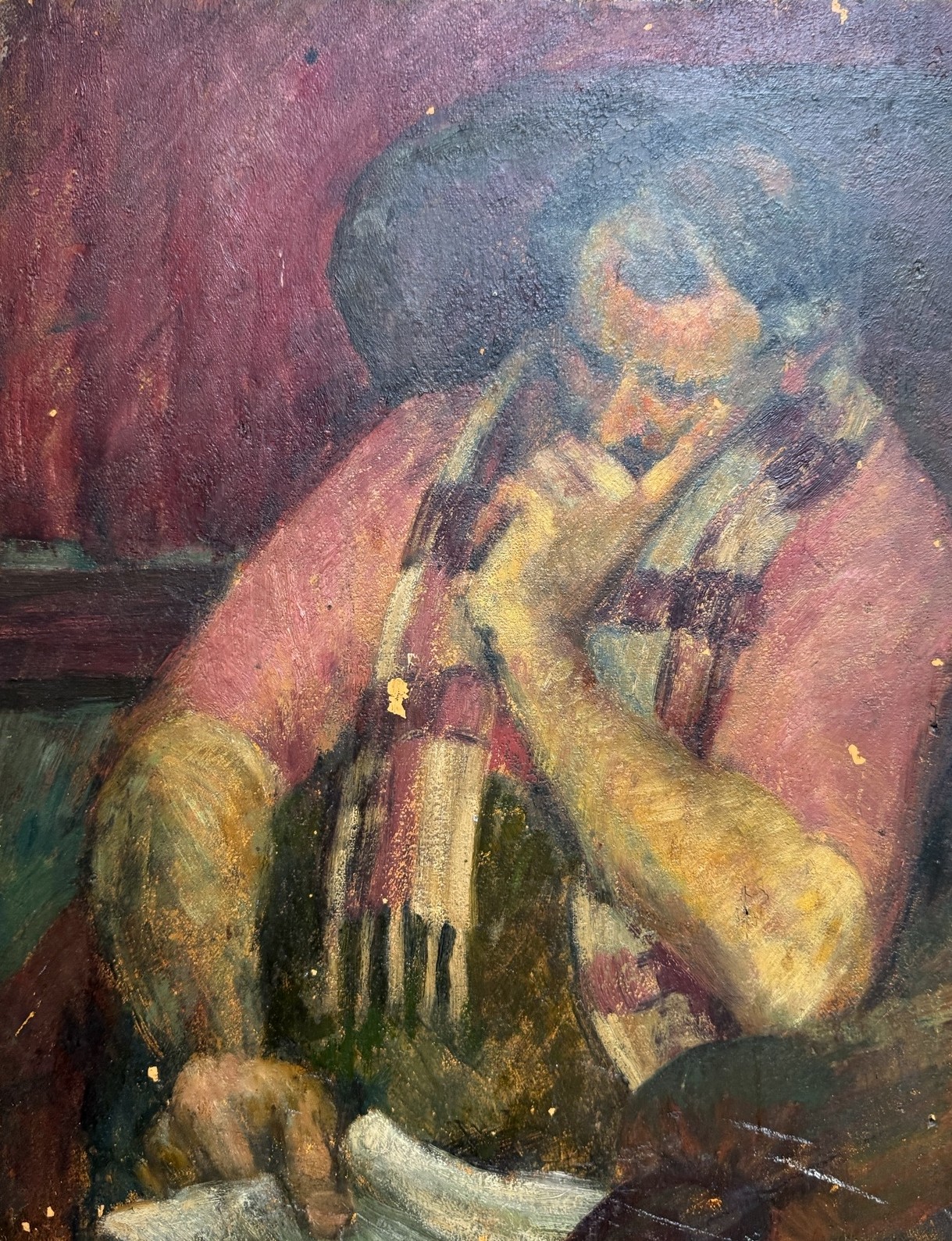
This discovery provides a fascinating insight into the network of friendships that surrounded Eardley during her years at Glasgow School of Art and in the period immediately afterwards. Thomson and his wife, the painter Florence Jamieson, regularly hosted informal drawing sessions and gatherings at their home in Clouston Street in Glasgow’s west end. Among those who attended were Joan Eardley, Dorothy Steel and Margot Sandeman, artists who posed for one another, shared ideas, and nurtured each other’s developing practices.
Thomson’s daughter confirmed that the sitter is indeed her father, noting that he frequently wore dungarees and plaid scarves, both visible in the painting. She also observed that he appears to be drawing, a suggestion supported by the position of his hand and the concentrated nature of the pose. Robert Sinclair Thomson occupied an unusual and influential position within Glasgow’s artistic life. Born and raised in the city, he suffered a life-changing rugby injury while attending Allan Glen’s School, resulting in the amputation of a leg at the age of sixteen. Despite the physical challenges this presented throughout his life, Thomson pursued a varied artistic career as a painter, draughtsman, potter and teacher.
After military service during the Second World War as a dispatch motor bike rider, he entered Glasgow School of Art in 1941, studying drawing and painting under Hugh Adam Crawford, who also taught Joan Eardley. Alongside his own artistic practice, he became an accomplished potter, building a kiln at home and later teaching pottery classes at Glasgow School of Art. He also created a number of large ceramic murals for schools throughout Lanarkshire.
Perhaps equally significant was the role Thomson played in bringing artists together. His home became a meeting place for students and fellow artists, including Joan Eardley, Margot Sandeman and Florence Jamieson. These informal gatherings fostered a spirit of collaboration and mutual support among a generation of artists finding their own voices in post-war Scotland.
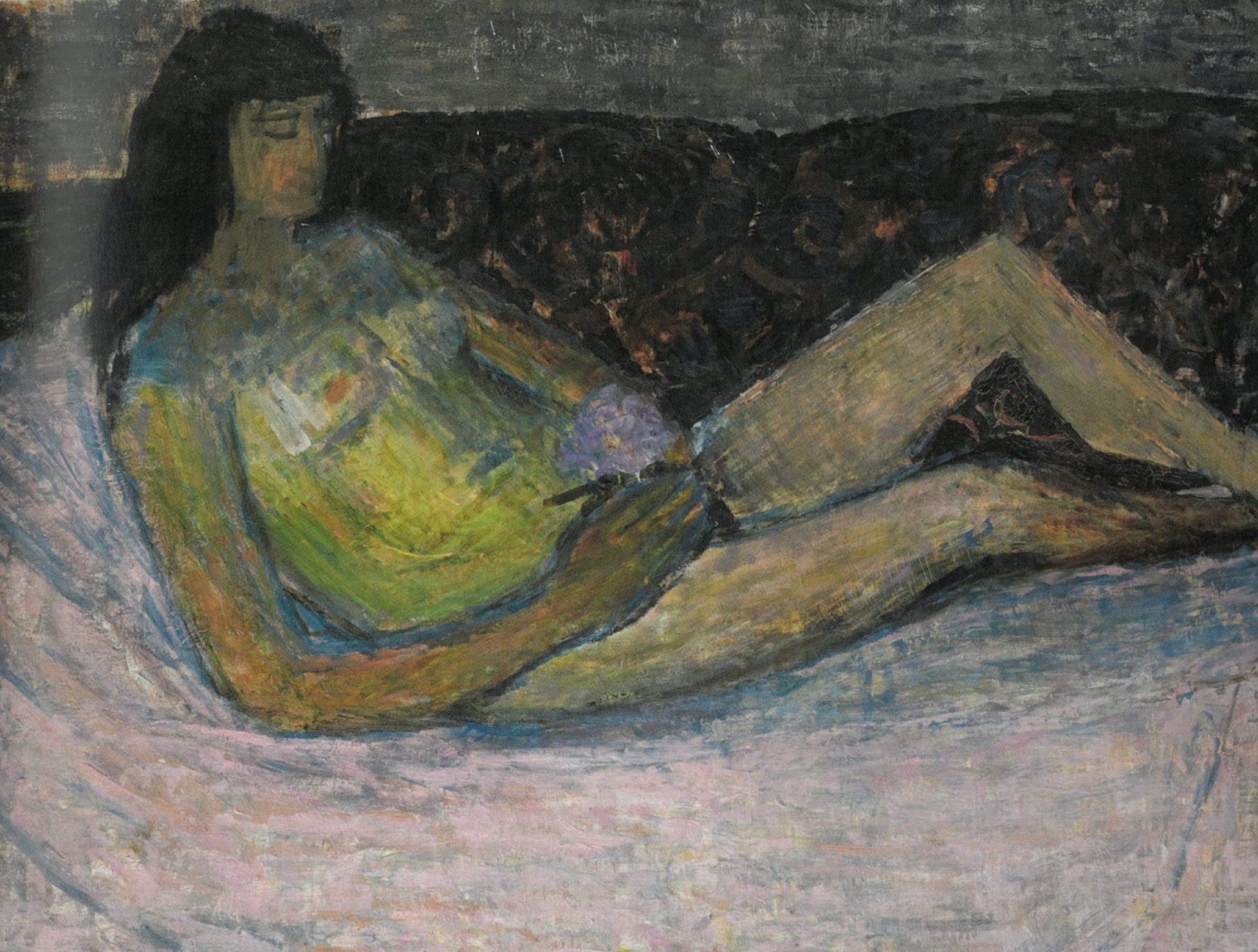
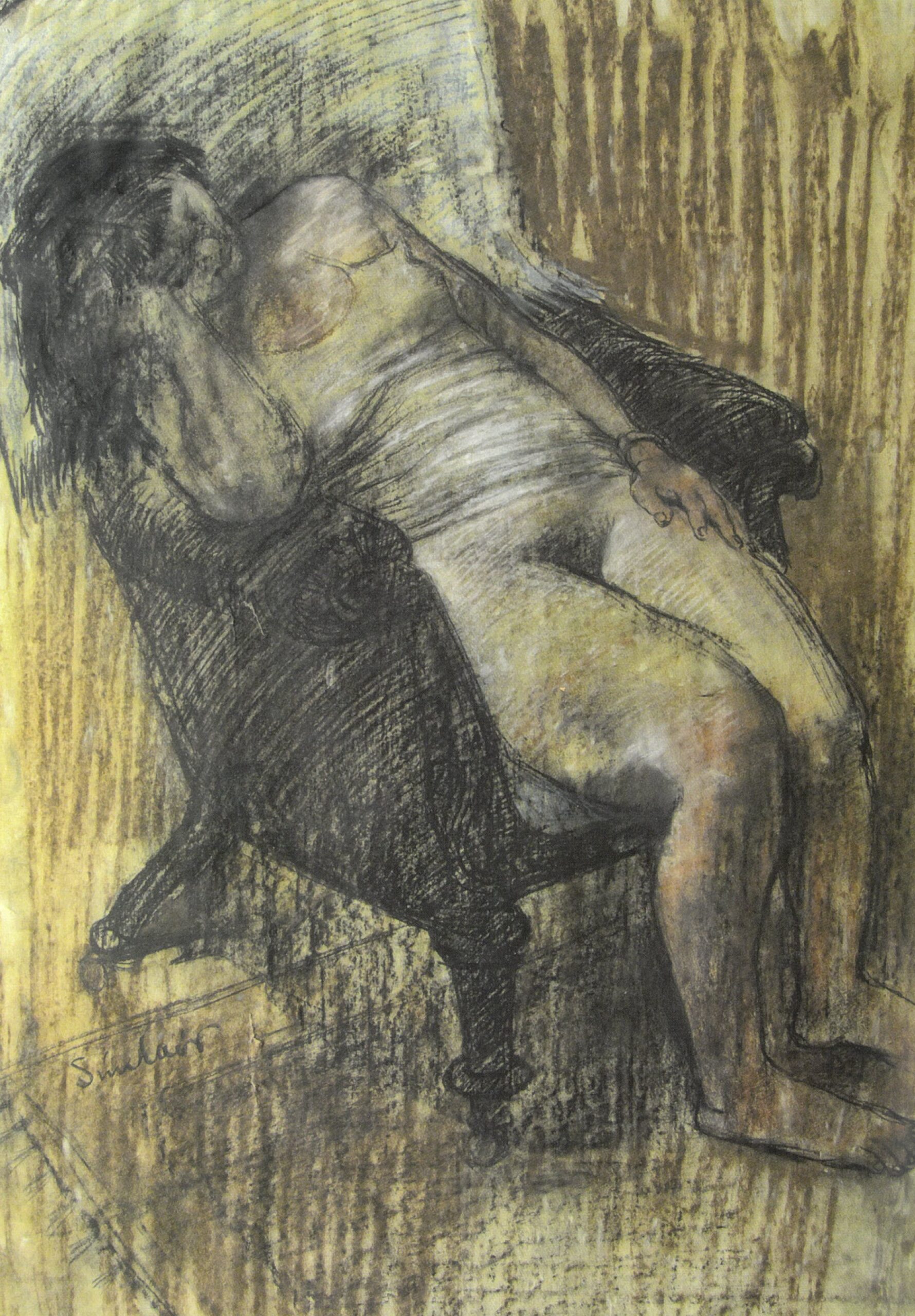
Christopher AndreaeFrom 1949 into 1950, both women were busy and finding their way into a relationship. Dorothy left art school in 1949 without finishing her diploma. Around this time, the two women went to the home of fellow GSA artists Sinclair Thomson and his wife, Florence Jamieson, in Clouston Street in the city's west end. The women were friendly with both artists from her days at GSA. Dorothy knew Sinclair from the art school, where he taught. He had lost a leg, aged 16, while at school in Glasgow, which stopped him from joining up during the war. All the artists who went to the couple's house knew each other of old and would all pose naked for each other. There's a wonderful quick pastel drawing by Sinclair of Joan from around 1949, which is in Abbot Hall Art Gallery in Kendall. It shows Joan, partially clothed, slumped asleep on a chair. Sleeping while posing was a thing for these friends.
The identification of Sinclair Thomson transforms our understanding of Study of a Man. What was once viewed simply as an anonymous early portrait can now be understood as a depiction of a close friend, colleague and fellow artist within Eardley’s immediate circle. It offers a rare glimpse into the creative community that helped shape Eardley’s development during a crucial period of her career. More than seventy years after it was painted, the work has regained part of its original story and, with it, a deeper connection to the remarkable generation of artists who emerged from Glasgow in the years following the Second World War.
With thanks to Mervyn Donnelly, the Joan Eardley estate and the Thomson families.

