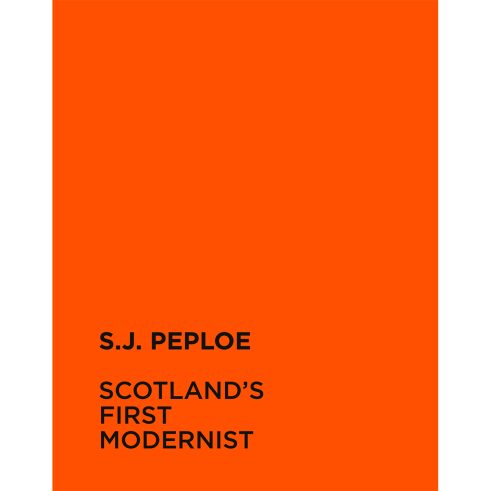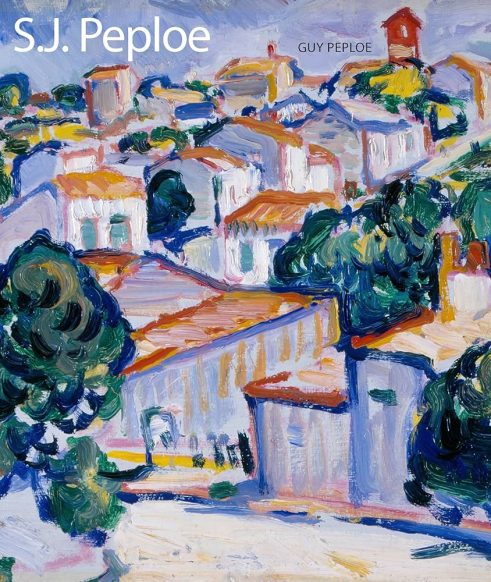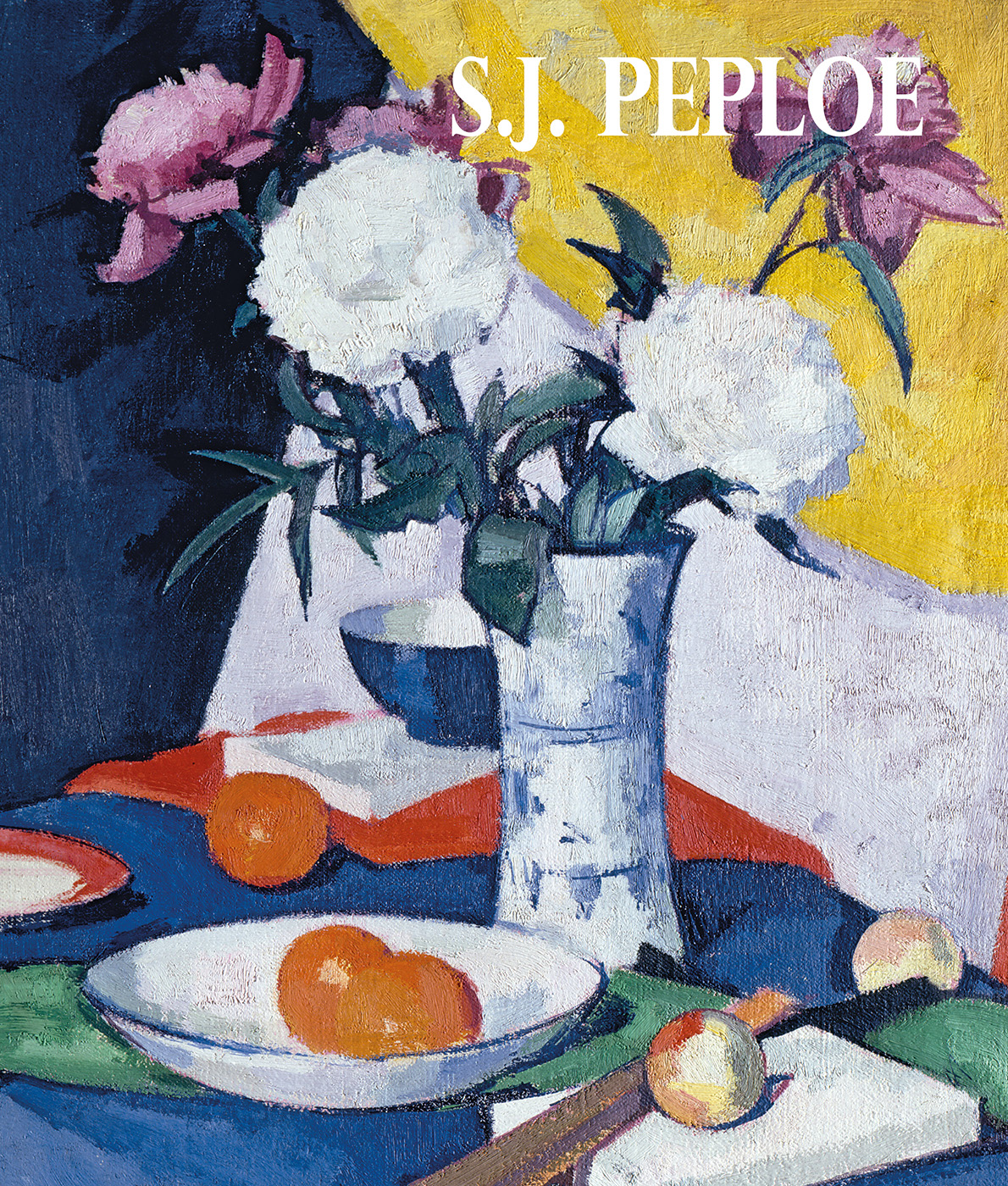
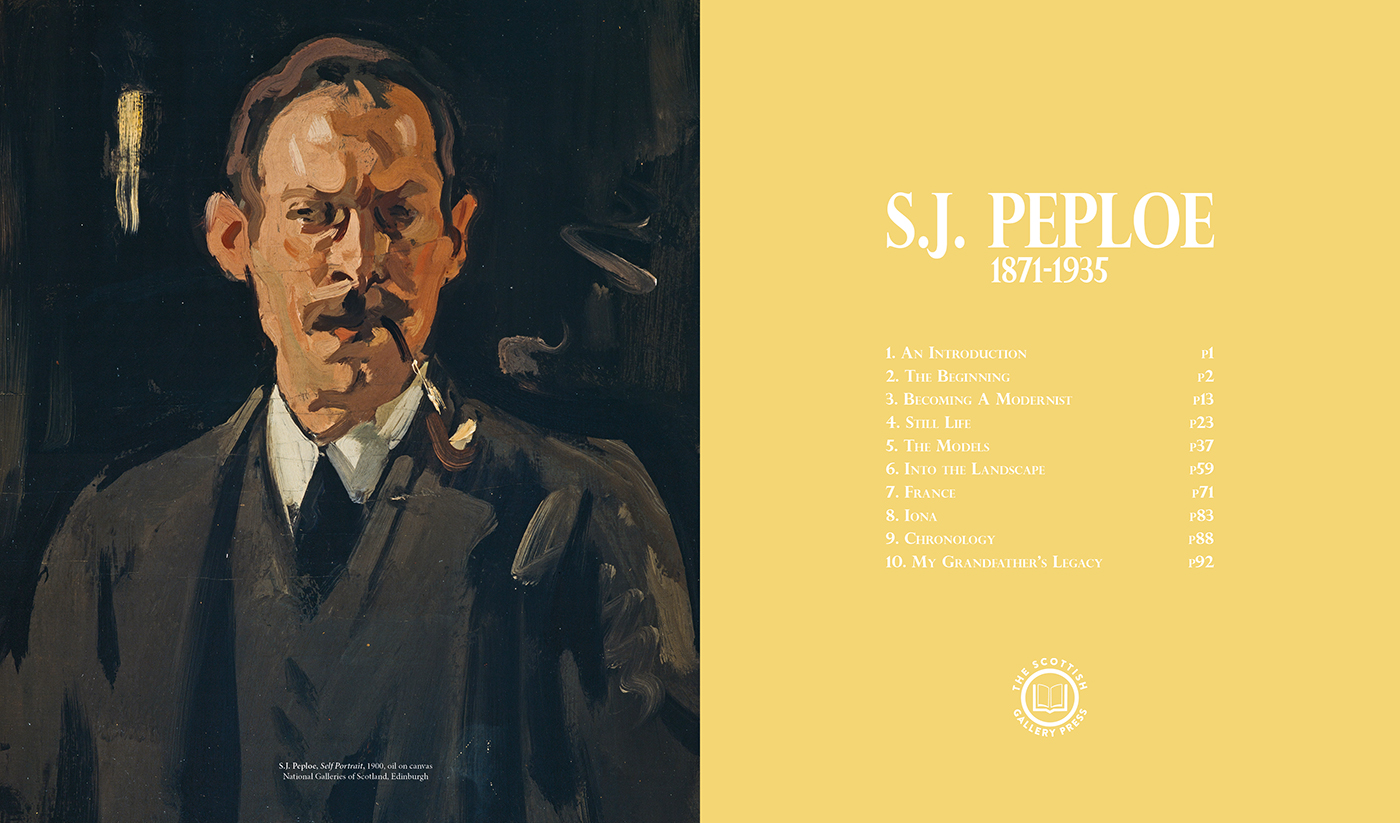
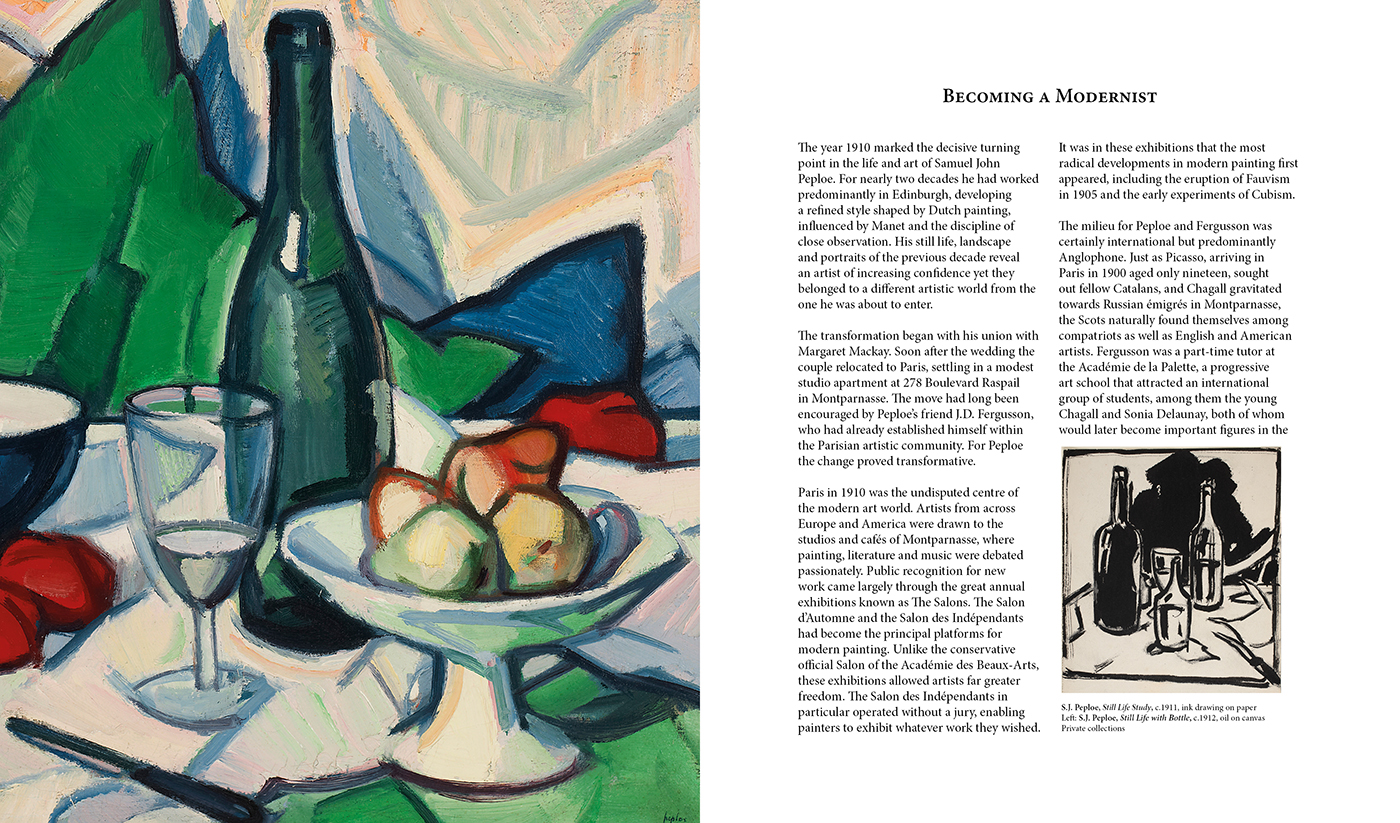
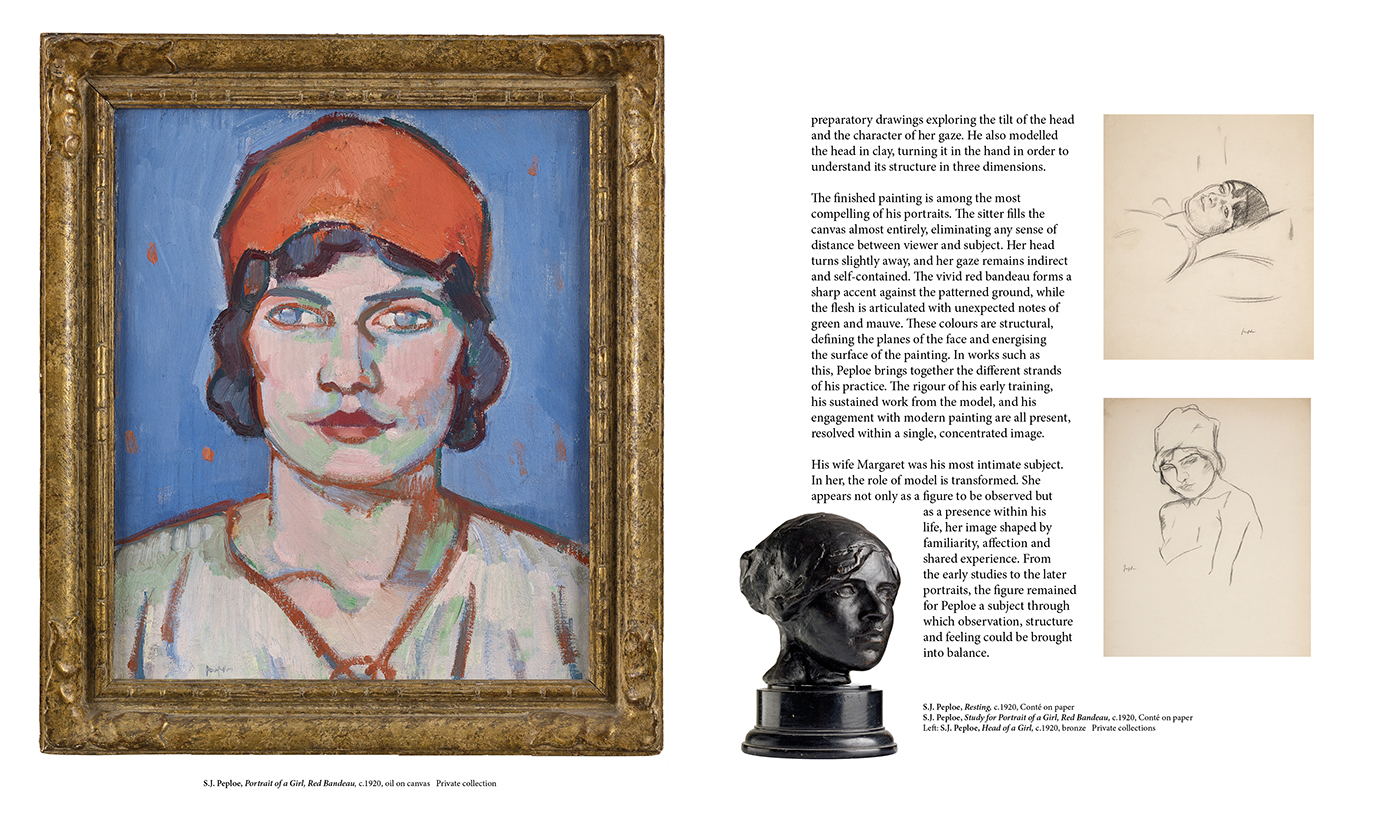
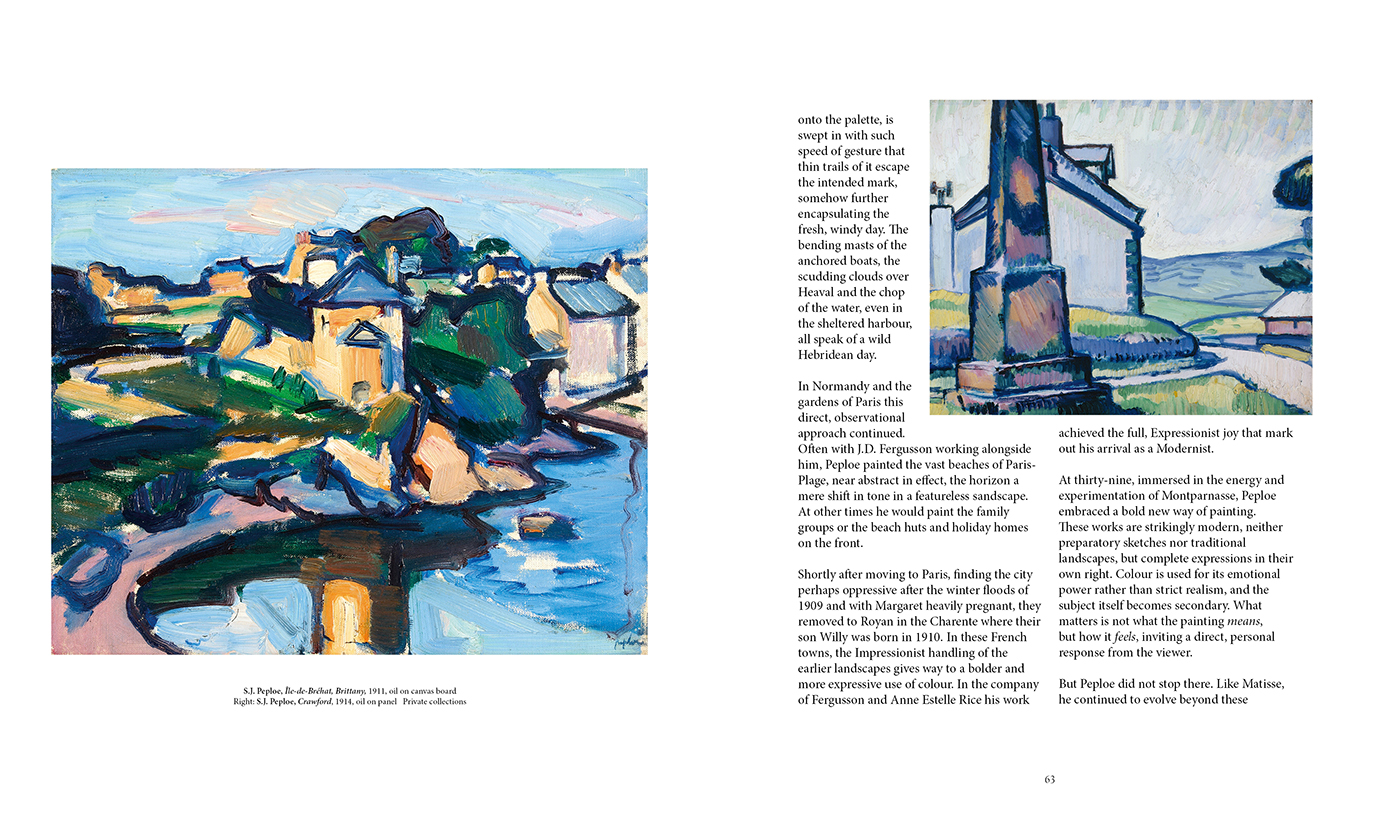
S.J. Peploe (1871-1935) | Scotland’s First Modernist
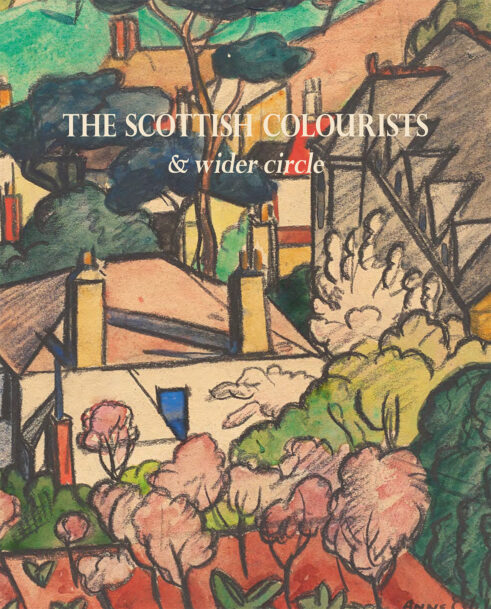
Commissioned by Kirkcudbright Galleries to accompany Colour: The Palette of S.J. Peploe, this beautifully produced Scottish art book from The Scottish Gallery Press brings readers closer than ever to one of Scotland’s greatest artists and a leading figure among the Scottish Colourists.
Featuring new writing by Guy Peploe, the leading authority on the artist, this publication offers both art historical and personal insight into Peploe’s life, practice and enduring legacy. From the discipline of his still lifes to the brilliance of his colour, it reveals an artist of uncompromising vision whose work continues to feel remarkably modern.
Published by The Scottish Gallery Press, an independent art publisher based in Edinburgh, this collectible hardback forms part of an ongoing series celebrating Scotland’s artists through beautifully designed and accessible publications. Limited copies available.
Founded in 2024, The Scottish Gallery Press creates beautifully produced, small-format hardback books celebrating Scottish art, artists and The Scottish Gallery’s unique artistic history. Working closely with contemporary artists alongside the Gallery’s extensive historical archive, the Press provides a creative platform for artists, writers and ideas while celebrating the rich legacy of Scottish art.
Designed to be collectible, affordable and accessible, these carefully crafted books offer thoughtful introductions to artists and their work. Combining scholarship, storytelling and strong visual identity, The Scottish Gallery Press reflects The Scottish Gallery’s longstanding commitment to championing art, artists and publishing of lasting value.
Publication Details
Publisher: The Scottish Gallery Press
Author: Guy Peploe
Subject: S.J. Peploe (1871-1935)
Category: Scottish art / Scottish Colourists
ISBN: 978-1-917803-22-9
Format: Hardback
Price: £14.95
About S.J. Peploe

Born in 1871 in Edinburgh, S.J. Peploe is the senior of the four artists known as The Scottish Colourists. He lived in Paris from 1910 until 1912, where his work changed radically from paintings reminiscent of Manet and Sargent to brilliant Fauvist works which placed him in the vanguard of British Modernism.
Related Items
- S.J. Peploe
- J.D. Fergusson
- George Leslie Hunter
- F.C.B. Cadell
- Anne Estelle Rice
- Margaret Morris
- Denis Peploe